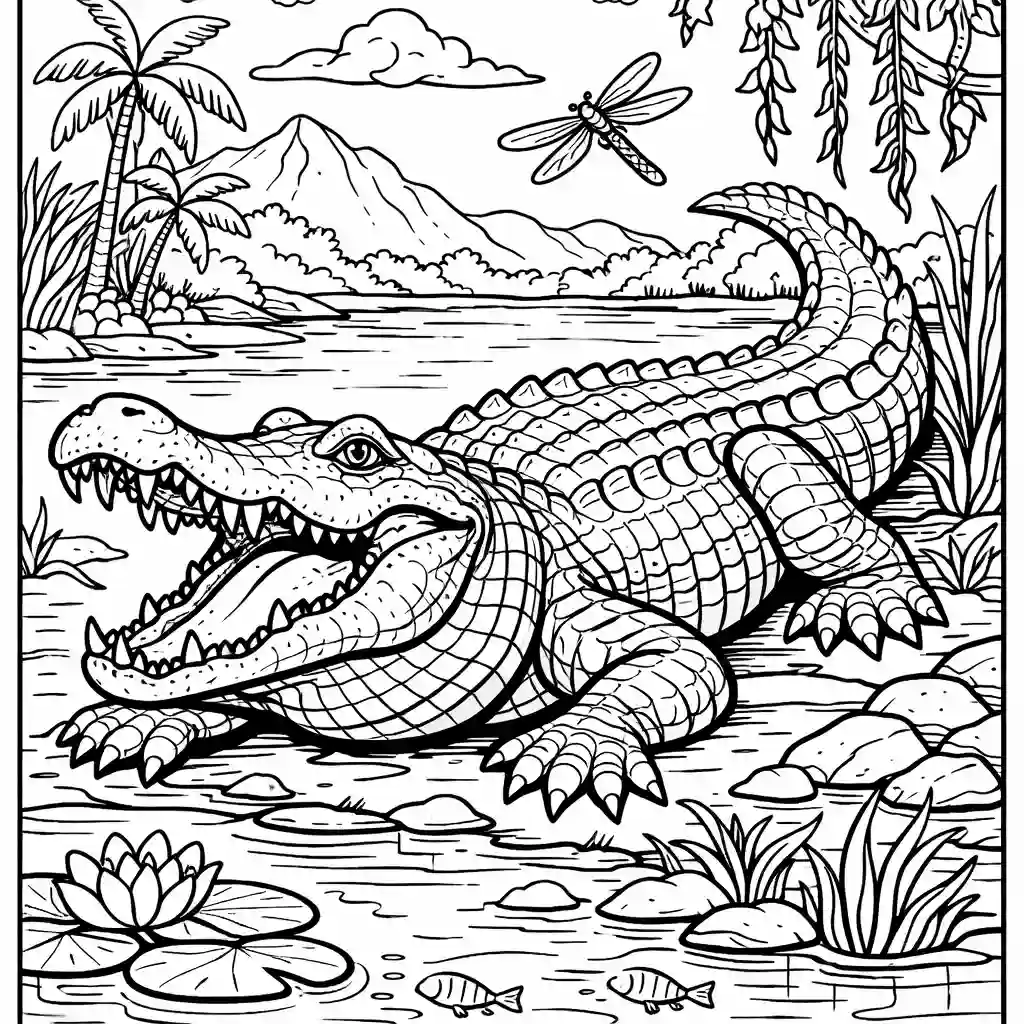
Savanna Animals Coloring Pages are free printable, black-and-white coloring sheets featuring grassland wildlife such as elephants, lions, zebras, giraffes, rhinos, hippos, and more. They are a simple way to combine creativity with early learning topics like habitats, patterns, and animal features.
Use note: These pages are intended for personal use and small non-commercial groups (for example: classrooms, homeschool co-ops, and therapy settings). Please do not resell, repost, or redistribute the files as your own.

Savanna Animals Coloring Pages: Quick Answer Table
| Question | Quick answer |
|---|---|
| What are Savanna Animals Coloring Pages? | Printable line-art worksheets of animals that live in savannas (grasslands with scattered trees), designed for fun coloring and easy learning. |
| Are they free printable? | Yes. You can download and print them for personal use. For group use in a classroom or similar setting, print multiple copies for your learners. |
| What animals are included? | African elephant, zebra, cheetah, giraffe, antelope, hyena, cattle herd/cattle scene, rhino, hippopotamus, lion and lioness, baboon, gazelle, and ostrich. |
| Best print settings | Paper: A4 or US Letter. Scale: 100% (or “Fit to printable area”). Quality: Standard or High. Orientation: Portrait for single animals, Landscape for wider scenes. |
| Best ages | Preschool to elementary, depending on detail level. Younger kids do best with bold outlines; older kids enjoy realistic textures and shading practice. |
Coloring pages of savanna animals free printable
If you are looking for coloring pages of savanna animals free printable, this post is built to help you print quickly and cleanly without guesswork.
How to download and print (simple steps)
- Open the printable (tap/click the page you want).
- Download or save the file to your device.
- Print using 100% scale (or “Fit to printable area”) to keep the lines crisp.
- Optional: Save as PDF if you want to print later or share with a teacher from your own device.
Jump to an animal (quick navigation)
African Elephant Coloring Pages
Elephants are a classic savanna animal for kids because their features are easy to recognize: large ears, long trunk, thick legs, and textured skin.
Color tip: Use layered grays to create volume. Add gentle shading in wrinkles and around the ears. Tusks can be off-white with a light gray shadow.
Savanna Zebra Coloring Pages
Zebras are perfect for pattern practice. Stripes help kids slow down and focus on direction, spacing, and neat coloring.
Color tip: Keep the base black-and-white, then add light gray shadows so the zebra looks three-dimensional instead of flat.
Baby Cheetah Coloring Pages
Cheetahs are a great choice when you want spots without overwhelming detail. Even a simple cheetah page can teach careful coloring and pattern consistency.
Color tip: Start with a warm tan or golden base. Add spots last so they stay sharp. Lightly shade under the belly and legs for depth.
Giraffe Coloring Pages
Giraffes are easy to spot in any safari scene. Their patches give kids a fun way to explore repeating shapes and color balance.
Color tip: Use a light yellow or cream base and medium-to-dark brown patches. Add a soft shadow along the neck to suggest height and form.
Antelope Grazing Coloring Pages
Antelope coloring pages work well for “savanna habitat” lessons because you can add grass, distant trees, or a simple horizon line around the animal.
Color tip: Choose natural tans and browns. If the page includes horns, shade them slightly darker to separate them from the body.
Fascinating Hyena Coloring Pages
Hyenas add variety beyond the “big animals.” They are a good option for older kids who like realistic wildlife and unusual coat patterns.
Color tip: Try sandy gray-brown, then add darker spots or markings. Use darker shading around the muzzle for contrast.
Cattle Herd in the Savanna Coloring Page
A herd scene brings movement and storytelling into the activity. Kids can color each animal slightly differently while keeping the scene cohesive.
Color tip: Use a consistent palette (warm browns, dark grays) and add a dust or grass tone near hooves to ground the scene.
African Cattle Coloring Pages
African cattle pages are useful for comparing herd animals and discussing how animals look different across regions and habitats.
Color tip: Dark coats (deep brown or near-black) look great with a lighter highlight on the shoulders and back. Keep horns distinct with a slightly lighter value.
African Rhino Coloring Pages
Rhinos are bold and recognizable. They are also great for shading practice because their bodies are large, rounded forms.
Color tip: Use several grays and blend gently. Darken under the belly and behind the front leg to create a realistic shadow.
Hippopotamus Coloring Pages
Hippos connect savanna learning with water habitats. They are often shown near rivers or watering holes, which makes background coloring more fun.
Color tip: Hippo skin can be gray with a hint of purple or brown. Water can be light blue with darker ripples for depth.
Lion and Lioness Coloring Pages
This pair is ideal for discussing animal differences while keeping the lesson simple. Lions are often associated with jungles, but savannas and grasslands are their real home.
Color tip: Lioness: light tan with soft shading. Lion: keep the face tan, then build the mane with layered browns and darker shadows.
Baboon Coloring Pages
Baboons add a different body shape and texture compared with the large mammals. They are a fun pick for kids who like animals with expressive faces.
Color tip: Use gray-brown fur and deepen shadows around arms and legs. Keep facial details clean for a strong focal point.
Gazelle Leaping Coloring Pages
Leaping gazelles are great for action scenes. They naturally encourage kids to add background lines like grass, dust, or a wide horizon.
Color tip: Use light tan with a white underbelly. Add a darker stripe if the outline includes markings, and shade lightly behind the legs to show motion.
Ostrich in the Savanna Coloring Pages
Ostriches bring variety to a savanna set because they are birds with long legs and big bodies. They are also easy to identify in a safari-themed lesson.
Color tip: Use strong contrast for feathers, and keep legs a lighter neutral tone. Add a soft ground shadow so the bird looks anchored.
Savanna Animal Color Guide Table
Use this table for quick, realistic color choices. It is also helpful for teachers who want a fast reference during an animal unit.
| Animal | Main colors | Distinct features to highlight | Simple shading idea |
|---|---|---|---|
| African Elephant | Grays, off-white tusks | Wrinkled skin, trunk, tusks | Darken wrinkles and under the belly |
| Zebra | Black and white, light gray shadows | Stripe direction and spacing | Add light gray shadows to avoid flat white areas |
| Cheetah | Golden tan, black spots | Spot placement, tail markings | Shade under legs and belly, then add spots |
| Giraffe | Cream/yellow base, brown patches | Patch shapes, long neck | Light shadow along one side of the neck |
| Antelope | Tans and browns | Horns, slim legs | Darken under the chest and behind legs |
| Hyena | Sandy gray-brown | Spots/markings, muzzle | Use darker shading around muzzle and shoulders |
| Cattle Herd | Warm browns, dark grays | Group movement, spacing | Add a ground shadow line to unify the herd |
| African Cattle | Dark brown/black, horn highlights | Horn shape, strong body | Highlight the back, shade the lower body |
| Rhino | Medium to dark gray | Horn, thick skin folds | Deep shadow under belly and near folds |
| Hippopotamus | Gray with warm undertones | Large head, water context | Shade near waterline and under the jaw |
| Lion/Lioness | Tans, browns, darker mane | Mane texture, face contrast | Layer the mane with two or three browns |
| Baboon | Gray-brown fur | Facial details, limb shading | Darken inside arms/legs for depth |
| Gazelle | Light tan, white underbelly | Leaping posture, markings | Shade behind legs to show motion |
| Ostrich | Neutral feathers, strong contrast | Leg length, feather shapes | Add a soft ground shadow to anchor the body |
Tips for Coloring Savanna Animals Coloring Pages
What colors should I use for a savanna animals coloring page?
Start with the animal’s typical colors, then use small changes in light and shadow to make the page look more realistic. For example, elephants are usually gray, lions often use tans and browns, and zebras stay black-and-white, but shadows and highlights make every page feel more alive.
How can I add more detail and realism to my savanna animal coloring?
Use more than one shade of the same color. You can add volume to an elephant by layering multiple grays, bring a lion’s mane to life with tans and browns, and create depth in zebra stripes by softening transitions near edges. Also notice pattern direction: many markings follow the flow of muscles, and that small detail improves realism.
What should I pay attention to when coloring savanna animals?
Focus on the features that make the animal recognizable. Elephants have wrinkled skin and tusks. Lions stand out because of their mane. Zebras are defined by their stripe patterns. When those key elements are clear, the finished page looks more accurate and easier to identify.
What are some interesting facts about savanna animals that I can incorporate into my coloring pages?
Adding short facts can make coloring more educational. Elephants are the largest land animals living today. Lions are often called “king of the jungle,” but they actually live in grasslands and plains. Every zebra has its own stripe pattern, similar to how fingerprints are unique to each person.
African animals coloring pages
If your goal is broader african animals coloring pages, savanna wildlife is a strong starting point because it includes many of the most recognizable animals. To expand learning, you can also explore other African habitats (rainforest, desert, and wetlands) and compare how animals’ colors and features help them survive in different environments.
Easy classroom and homeschool ideas
- Habitat label: After coloring, ask kids to add grass, trees, and a simple sun or horizon to show “savanna.”
- Pattern hunt: Compare stripes (zebra) vs spots (cheetah) vs patches (giraffe).
- Food chain talk: Use lions, zebras, and grazing animals to introduce basic predator/prey ideas in kid-friendly language.
- Story prompt: “What happens at the watering hole today?” Great for creative writing after coloring.
Download Free Savanna Animals Coloring Pages
Use the keyword link below to open the full collection and print your favorites.
Savanna Animals Coloring Pages
If your post URL is different, update the link above to match your final slug.
Use Policy and Permissions
Personal use: You may download and print these pages for yourself and your household.
Small groups: Teachers and group leaders may print copies for small, non-commercial groups (for example: classroom activities or therapy settings).
Not allowed: Do not resell, republish, or redistribute the files, and do not use the artwork as a design element in products that are sold.